
How to Monitor Online Brand Mentions
A reputation problem rarely starts with a headline. More often, it begins with a passing comment, a low-visibility review, a forum thread, or a social post that gains traction before anyone on your team notices. That is why knowing how to monitor online brand mentions is not a marketing extra. It is a frontline protection measure for any business, executive, or public-facing individual whose credibility affects revenue, trust, or influence.
The real issue is not whether people are talking about your brand. They are. The issue is whether you know where those conversations are happening, how quickly you can detect them, and what you will do once they appear.
Why brand mention monitoring matters
Brand mentions shape public perception long before a prospect fills out a form or makes a call. A potential client may see a review, a Reddit thread, a news reference, or a complaint on social media before they ever visit your website. For executives, public figures, and high-net-worth individuals, the stakes can be even higher. A single negative mention can influence media coverage, partnerships, hiring decisions, investor confidence, or personal safety concerns.
Monitoring gives you visibility. Visibility gives you time. And time is what allows you to respond strategically rather than emotionally.
There is also a difference between monitoring and searching. Searching your company name once a week is reactive and incomplete. Proper monitoring is structured. It tracks mentions across multiple sources, filters noise, identifies patterns, and flags issues early enough to contain them.
How to monitor online brand mentions effectively
If you want reliable coverage, start by defining exactly what needs to be tracked. Most organizations begin with the obvious terms, such as the company name, product names, and key executives. That is necessary, but not sufficient. You should also monitor common misspellings, old brand names, campaign hashtags, competitor comparisons, and names of senior leadership who may be associated with the brand in search results or press coverage.
For higher-risk clients, monitoring should extend beyond the core brand. It may include mentions tied to lawsuits, complaints, allegations, employee commentary, or industry-specific terms that tend to appear in negative discussions. This is where a tailored approach matters. A local business and a public figure do not face the same exposure, so they should not be monitored the same way.
Once your keywords are set, the next step is choosing the right channels. Most reputation threats do not emerge in one place. They can appear in search engine results, review platforms, social networks, blogs, forums, news sites, video descriptions, podcasts, and comment sections. If you only monitor one channel, you create blind spots.
Search monitoring is essential because it shows what people are likely to find first. Review monitoring is equally important for service businesses, medical practices, legal professionals, hospitality brands, and any company that depends on trust at the point of decision. Social listening adds speed, especially when criticism spreads quickly. Forum and community monitoring can be harder to manage, but these spaces often surface candid sentiment before it reaches mainstream platforms.
The tools that support faster detection
There is no single tool that covers every mention with perfect accuracy. That is one of the most common misconceptions in reputation management. Automated tools are useful, but they work best when paired with human oversight.
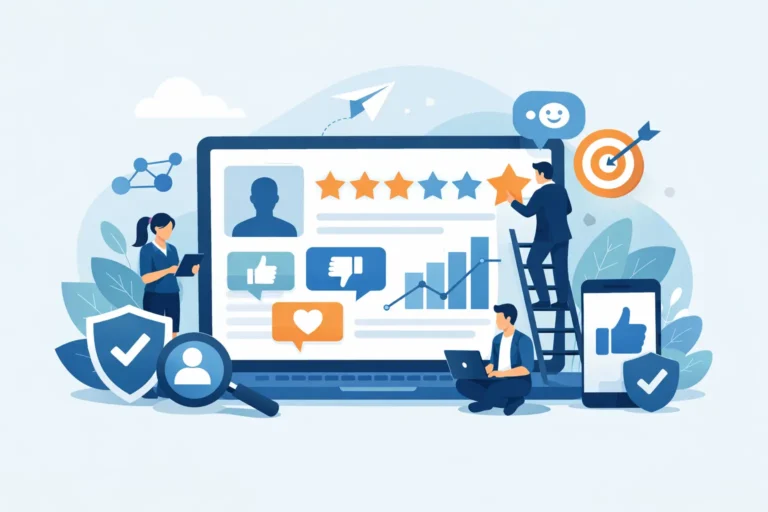
Basic alert systems can help track branded keywords and notify you when new indexed content appears. Social monitoring tools can capture mentions, tags, and sentiment shifts across major platforms. Review management systems can centralize customer feedback across directories and niche sites. Media monitoring tools can track news coverage and online publications.
Each category serves a different purpose. Alerts are broad but sometimes delayed. Social tools are fast but may miss closed communities or less accessible discussions. Review dashboards are practical, though they often focus only on major platforms. Media monitoring is valuable for public-facing brands, but not every blog or comment thread will be captured.
That trade-off matters. If your exposure is limited, a simpler stack may be enough. If your brand is prominent, controversial, or highly visible, you need layered monitoring with tighter review processes and escalation rules.
What to watch for beyond the mention itself
Not every mention deserves the same level of attention. Volume alone can be misleading. A minor complaint on a low-traffic page may not require urgent action, while a short post from the right account can trigger significant reputational damage.
Context matters more than raw count. When reviewing mentions, pay attention to source authority, search visibility, tone, engagement level, and the likelihood that the content will influence decision-makers. A critical comment from a credible customer on a trusted review platform is more consequential than a vague remark from an anonymous account with no reach. A negative article indexed on page one of search results is a very different issue from a post buried deep in a niche forum.
Patterns matter too. One isolated complaint may be manageable. Repeated mentions of the same issue suggest a broader operational or communication problem. Monitoring is not just about catching attacks. It can reveal recurring concerns that need to be fixed inside the business.
Building a response plan before you need it
Monitoring without response planning creates false confidence. Spotting a mention is only useful if the right people know what to do next.
Start by assigning ownership. Someone must be responsible for reviewing alerts, validating risk, and escalating when necessary. In some organizations, that will sit with marketing or customer care. In more sensitive cases, legal, executive leadership, communications, or outside reputation advisors should be involved early.
Then establish thresholds. Decide what counts as routine feedback, what requires a same-day response, and what qualifies as a reputational threat. This avoids hesitation during a live issue. It also prevents overreaction to every small criticism, which can draw more attention than the original post.
Your response should fit the setting. Public complaints often need calm, concise acknowledgment and a path to resolution. False or harmful claims may require documentation, platform reporting, legal review, or a broader reputation strategy. Silence is not always wrong, but it should be a decision, not a default.
How to monitor online brand mentions without creating noise
One of the biggest problems with brand monitoring is overload. If your alerts are too broad, your team will start ignoring them. That defeats the purpose.
To avoid this, refine your search terms over time. Use exclusions where available. Separate high-priority names from lower-priority brand phrases. Create different workflows for media mentions, reviews, and social commentary. A CEO mention in a major publication should not sit in the same queue as a casual social tag.
It also helps to review trends in batches while reserving immediate alerts for material risk. Not every mention requires instant action. Many require classification first. The goal is not to react to everything. The goal is to identify what could affect trust, visibility, or commercial outcomes.
For businesses with a higher profile, discretion becomes part of the monitoring strategy. Sensitive reputational threats should be evaluated privately, documented carefully, and handled by experienced specialists. Public figures and executives often need a more controlled process because online commentary can quickly spill into press coverage, search results, and long-term digital records.
When internal monitoring is enough, and when it is not
Some organizations can manage basic monitoring in-house, especially if their online footprint is modest and the stakes are lower. A well-organized internal team can track reviews, watch branded search results, and respond to routine mentions effectively.
But once risk becomes more complex, internal monitoring often falls short. That usually happens when mentions spread across multiple platforms, involve defamatory or false content, affect search visibility, or require coordination between response, suppression, and long-term reputation repair. It also becomes difficult when leadership or public figures are personally named in the content.
At that point, technology alone is not enough. You need judgment, speed, and a clear escalation path. That is where specialist oversight adds value. A firm such as Reputation Shield can combine monitoring technology with tailored review, threat assessment, and strategic intervention, which is especially important when the issue is sensitive, high-stakes, or already gaining visibility.
A stronger way to think about monitoring
The best monitoring systems do more than collect mentions. They protect confidence. They help you catch warning signs early, respond with control, and reduce the chance that a minor issue becomes a defining one.
If your name, business, or public standing carries real value, monitoring should be treated with the same seriousness as legal risk, cybersecurity, or financial controls. Reputation moves quickly online. The brands that stay protected are the ones that are watching carefully before they are forced to react.