Negative Article Suppression Services Explained
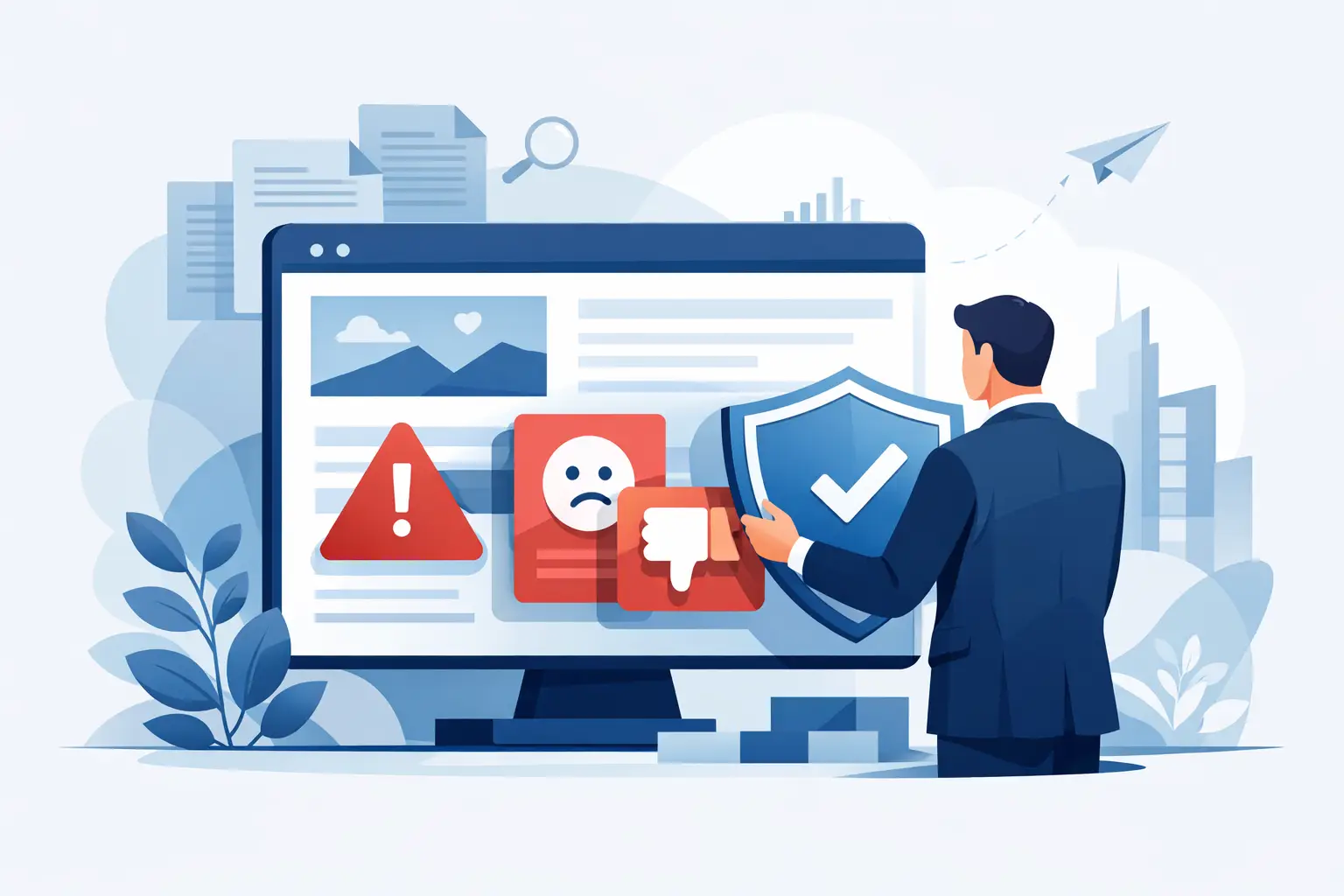
A single negative article ranking near the top of search results can change how investors, clients, employers, voters, or partners judge you before a conversation even starts. That is why negative article suppression services have become a serious business priority, not a vanity fix. When reputational harm is visible on page one, the real issue is not just the article itself. It is the loss of control over how your name or brand is introduced online.
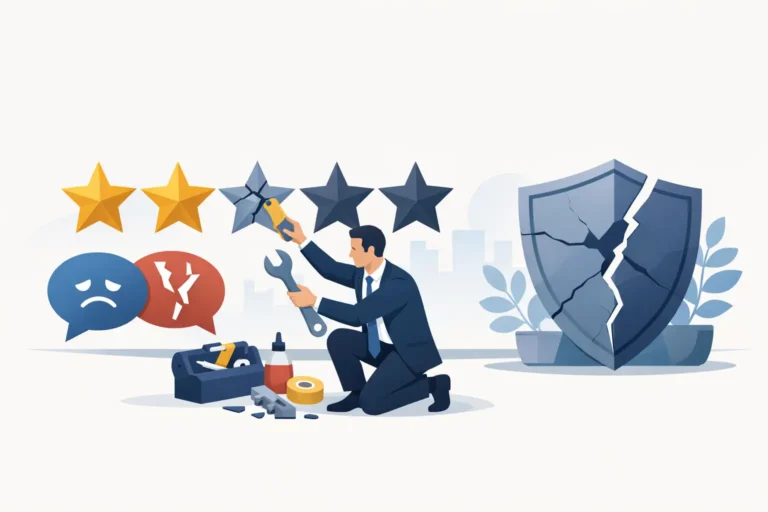
For high-visibility individuals and organizations, the stakes are rarely abstract. A critical article can affect deal flow, media coverage, hiring, customer trust, and private relationships. The right response is measured, strategic, and discreet. It is not about panic publishing or trying to erase the internet. It is about reducing the prominence of damaging content while strengthening the digital assets that deserve to be seen first.
What negative article suppression services actually do
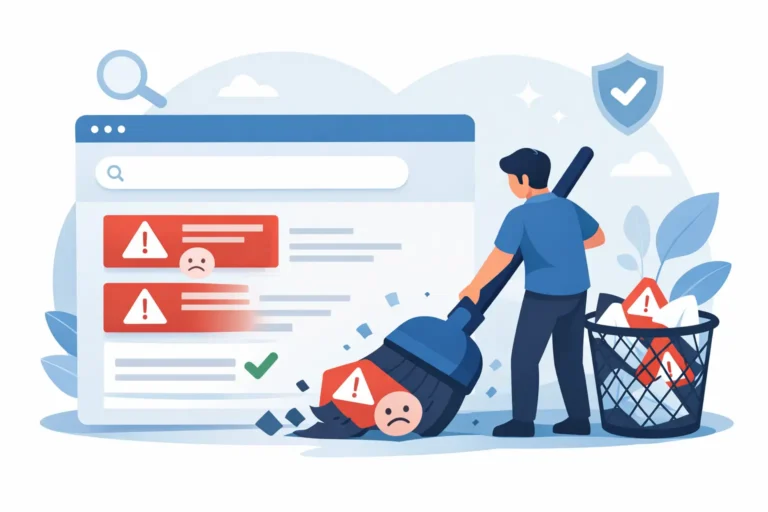
Negative article suppression services are designed to push harmful or misleading articles lower in search results by improving the visibility of stronger, more accurate, and more favorable content. In practice, that means building a search landscape where authoritative positive pages outrank the content causing damage.
This work usually combines search analysis, content strategy, technical optimization, digital publishing, and ongoing monitoring. In some cases, legal review may also be part of the response if content is defamatory, false, or improperly disclosed. But suppression and removal are not the same thing. Removal depends on platform policies, publisher cooperation, or legal grounds. Suppression focuses on ranking power and visibility.
That distinction matters. Many clients come in asking for a negative article to be taken down, only to learn that removal is not realistic or would take too long. A suppression strategy creates a practical route forward when time, visibility, and business impact are the real concerns.
When suppression is the right strategy
Not every critical article calls for intervention. Some pieces have little reach, rank poorly, or fade on their own. Others become more prominent because the subject reacts publicly, draws fresh attention, or handles the situation inconsistently.
Suppression is usually worth considering when the article ranks for your name, company name, or a high-value branded search term. It also makes sense when the content appears in due diligence searches, media scans, executive background checks, or customer research. If one article is shaping first impressions at scale, passive monitoring is not enough.
The strongest cases often involve business owners facing customer hesitation, executives under board scrutiny, public figures managing narratives, or private clients protecting family and professional standing. In those situations, search visibility is not a side issue. It is part of risk management.
How negative article suppression services work in practice
The first step is diagnosis. A credible provider will assess what ranks, why it ranks, how entrenched it is, and which search terms matter most. An article on a major news domain with strong backlinks will require a different plan than a low-authority blog post or forum page.
From there, the strategy typically centers on creating and elevating assets with stronger long-term ranking potential. That can include professionally developed web pages, thought leadership content, newsworthy announcements, profile pages, branded domains, media assets, and optimized third-party placements where appropriate. The goal is not random volume. It is targeted authority.
Search engines reward relevance, trust, and consistency. That is why effective suppression campaigns are structured. The content has to align with the branded searches people actually use. It has to be technically sound. It has to be published in places that can compete. And it has to support a coherent digital identity rather than look manufactured.
Monitoring is equally important. Rankings move. New commentary appears. Search results can change by geography, device, and timing. A serious reputation defense program tracks those shifts and adjusts before a small issue becomes a more visible one.
Why quick-fix promises are a red flag
If a provider guarantees permanent removal of legitimate news coverage or promises page-one results in a matter of days, caution is warranted. Search suppression can be highly effective, but it is rarely instant and never identical from one case to the next.
A reputable firm will explain the variables clearly. Domain authority matters. The age of the article matters. Media pickup matters. Whether there are multiple negative results clustered together matters. So does your existing digital footprint. A public figure with many established assets may have more options than a private individual with almost no online presence. On the other hand, a highly public controversy can require a much broader strategy.
This is where experience matters. The best work is not based on inflated promises. It is based on assessing what can realistically be displaced, what must be legally reviewed, and what needs long-term reinforcement.
The trade-offs clients should understand
Suppression is often the most practical path, but it does involve trade-offs. It takes time to build ranking strength. Competitive search results do not shift simply because new content exists. They shift because better-positioned assets are developed with precision and supported consistently.
There is also a difference between improving search results and changing public opinion. Better visibility creates a fairer first impression, but if a crisis is ongoing, search strategy alone will not solve the underlying issue. In some cases, operational changes, legal guidance, media handling, or stakeholder communication need to happen alongside reputation work.
Budget is another factor. Premium suppression services are not commodity SEO packages. They require custom strategy, discreet execution, and often cross-functional support. For clients protecting significant revenue, influence, or personal privacy, that level of service is justified. But the solution should fit the level of risk.
What to look for in a suppression partner
The right provider should treat the matter like a reputational exposure issue, not a generic marketing campaign. That means confidentiality, tailored planning, and a clear understanding of how digital narratives affect business and personal outcomes.
Look for a team that can explain methodology without relying on vague claims. They should be able to distinguish between removal, de-indexing, suppression, and content replacement. They should understand legal escalation points without presenting legal action as the default answer. And they should be transparent about likely timelines, reporting, and the difference between short-term movement and durable progress.
Discretion is non-negotiable for many clients. Executives, celebrities, political figures, and high-net-worth individuals often need quiet intervention, not public remediation. A capable firm knows how to operate with minimal exposure while maintaining momentum behind the scenes.
This is also where a consultation-led approach adds value. Cookie-cutter packages rarely fit sensitive reputation issues. A tailored program can prioritize the exact search terms, jurisdictions, risk scenarios, and digital assets that matter most. That is how a response becomes efficient instead of noisy.
Negative article suppression services and long-term reputation control
The most effective campaigns do more than push one article down. They strengthen your overall digital position so future issues are less likely to dominate. That includes proactive content development, profile management, review monitoring, and early warning systems that catch harmful visibility changes before they escalate.
For organizations, this can mean protecting leadership search results, branded queries, and high-conversion pages. For individuals, it often means establishing a stronger online identity anchored in verified achievements, professional authority, and trustworthy coverage. The objective is not just recovery. It is resilience.
That is why many clients engage suppression services after a crisis and stay for ongoing protection. Once you see how quickly one damaging result can shape perception, search visibility stops looking like a marketing issue and starts looking like what it really is: an extension of reputation security.
A well-executed strategy gives you something valuable back – time, control, and a stronger first impression. And when your name carries weight in the market, in the media, or in private circles, that protection is not optional. It is part of preserving everything you have built.
If a negative article is defining you online, the right response is not louder messaging. It is a disciplined strategy that restores balance, protects credibility, and makes sure the most visible version of you is the one that reflects reality.