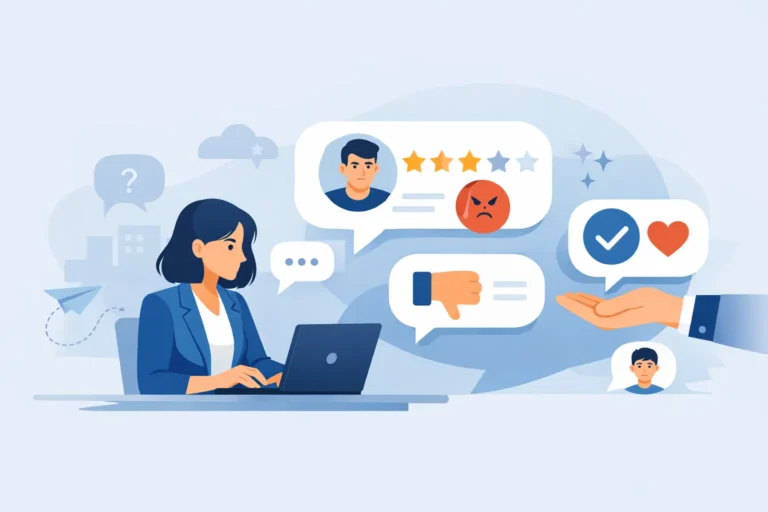

How to Monitor Online Mentions Effectively
A reputation problem rarely starts with a headline. More often, it begins with a stray comment, an overlooked review, a forum post, or a social mention that gains traction before anyone inside your organization notices. If you want to know how to monitor online mentions properly, the goal is not just visibility. It is early warning, fast judgment, and controlled response.
For business owners, executives, and public-facing individuals, that distinction matters. Not every mention deserves action, but every relevant mention deserves to be seen. The brands and people who protect their digital standing best are usually not the loudest. They are the most alert.
Why online mention monitoring is a reputation control issue
Online mentions shape perception long before a prospect fills out a contact form, a journalist makes contact, or an investor requests a meeting. A single review may influence local trust. A negative article can affect search results for months. A discussion thread on a niche forum might never go viral, yet still carry weight with exactly the audience you care about.
That is why monitoring should not be treated as a marketing task alone. It belongs much closer to reputation protection, risk management, and public trust. If your name, brand, leadership team, or company is visible online, mention monitoring gives you a chance to spot friction before it hardens into a search result problem.
There is also a practical reality here. Volume is not the same as risk. A company with thousands of harmless social mentions may face less reputational exposure than a smaller firm dealing with one defamatory post on a high-authority site. Effective monitoring is not about collecting everything. It is about filtering what matters.
How to monitor online mentions without missing what matters
The first step is deciding what, exactly, you need to track. Many organizations stop at the company name, which leaves major blind spots. You should also monitor common misspellings, product names, executive names, campaign names, brand slogans, and in some cases competitor comparisons. Public figures and high-sensitivity clients often need broader coverage that includes personal name variations, nicknames, and combinations with terms tied to controversy, allegations, lawsuits, reviews, or complaints.
This is where context matters. A restaurant group and a private equity executive do not need the same monitoring setup. A local business may care most about reviews and map listings. A public-facing founder may need search monitoring, news alerts, social listening, and forum tracking all at once. The system should reflect the real reputational exposure, not a generic checklist.
Next, define where mentions are likely to appear. Search engines remain central because they aggregate and surface what others see first. But relying on search alone is too slow. You also need visibility across review platforms, social media, comment sections, blogs, news sites, video platforms, and industry forums. In some cases, Reddit-style discussion communities or niche review sites matter more than mainstream channels because they rank well and influence decision-makers.
Then establish a monitoring rhythm. For routine reputation management, daily review is often enough. For brands in active growth mode, regulated industries, or public controversy, real-time or near-real-time monitoring is more appropriate. Speed matters most when a mention can spread, rank, or trigger media interest before your team has a chance to assess it.
The right tools – and their limits
Most people asking how to monitor online mentions start with free alerts, and that is understandable. Basic alert tools can help surface new indexed pages or public references. They are useful as a starting layer, especially for smaller businesses with limited visibility.
But free tools come with trade-offs. They may miss mentions behind platform walls, deliver alerts late, ignore sentiment context, or flood you with noise. They also tend to place the burden of judgment on the user. If you are already dealing with a sensitive reputation issue, that delay and uncertainty can be costly.
A stronger setup usually combines several layers: search monitoring, review tracking, social listening, and manual review of high-risk channels. For higher-stakes clients, technology should support human analysis rather than replace it. Software can identify patterns, but it cannot reliably tell you whether a post is likely to escalate, whether a reviewer is credible, or whether silence is the better strategic response.
That is one reason premium reputation monitoring is often handled as a managed service. The value is not just in seeing a mention appear. It is in knowing whether it is harmless, actionable, defamatory, coordinated, misleading, or likely to affect search visibility.
Build a monitoring framework before you need it
The worst time to design a monitoring process is during a live reputation issue. By then, emotion is high, responsibilities are unclear, and every hour feels expensive.
A practical framework starts with ownership. Someone needs clear responsibility for reviewing mentions, escalating risks, and documenting decisions. In smaller organizations, that may be an owner or senior marketing lead. In larger ones, it may involve communications, legal, customer service, and executive leadership. For public figures or high-net-worth individuals, monitoring often needs to be handled discreetly by a limited, trusted circle.
From there, create simple categories. Positive mentions can be logged for amplification or testimonial use. Neutral mentions may need no action. Service complaints should be routed to response teams. High-risk mentions, such as false allegations, reputational attacks, coordinated review abuse, or damaging media coverage, should trigger escalation immediately.
This structure matters because not every mention should get a public reply. In some cases, a fast response helps contain concern and shows accountability. In others, responding adds visibility, prolongs conflict, or creates legal complications. Monitoring is only useful if it leads to measured decisions.
What to do when you find a negative mention
Finding a negative mention is not the same as facing a reputational crisis. Sometimes the best response is a calm, factual reply. Sometimes it is private outreach. Sometimes it is content strategy, platform reporting, legal review, or simply continued observation.
The key is to assess impact before reacting. Ask where the mention appears, who is likely to see it, whether it is ranking in search, whether it contains false statements, and whether it is part of a larger pattern. A one-star review on an inactive profile and a damaging article on a prominent publication are not equal problems.
It also helps to separate criticism from harm. Legitimate criticism, even when uncomfortable, should usually be addressed with professionalism. False, malicious, or manipulated content requires a different level of intervention. This is where experienced reputation specialists can make a meaningful difference, because the wrong response can strengthen the very content you want to contain.
How to monitor online mentions over the long term
Long-term mention monitoring is less dramatic, but often more valuable. It gives you a running picture of how your reputation is forming across channels, what themes keep recurring, and where trust is strengthening or weakening.
Over time, patterns matter more than isolated comments. Are customers repeatedly mentioning the same issue? Are executives being referenced positively in industry coverage but negatively in reviews tied to service delays? Is misinformation resurfacing every few months under slightly different wording? These patterns tell you whether you have a content problem, a service problem, a visibility problem, or an attack problem.
This is also where proactive reputation work supports monitoring. When strong, accurate, positive content exists across the web, negative mentions are less likely to define the first impression. Monitoring shows you what is being said. Reputation strategy helps shape what is seen.
For clients with elevated exposure, the right approach is rarely passive. It combines active tracking, rapid review, strategic response, and ongoing efforts to reinforce credibility. That level of protection is especially relevant when your name carries financial, professional, or public consequences.
When professional monitoring makes sense
If your digital reputation affects revenue, partnerships, employability, public trust, or personal safety, mention monitoring should not be improvised. The higher the stakes, the more costly blind spots become.
Professional monitoring makes sense when you are dealing with sustained visibility, recurring criticism, reputational attacks, media sensitivity, or complex search-result issues. It also matters when discretion is essential. Public figures, executives, and private clients often need more than alerts. They need judgment, containment strategy, and a team that can act without creating additional exposure.
At that level, monitoring is not a dashboard. It is a protective function. Firms such as Reputation Shield build that protection around tailored tracking, fast escalation, and experienced intervention because high-risk reputations cannot be managed with generic settings and occasional check-ins.
The strongest position is not waiting for the internet to tell you that you have a problem. It is knowing what is being said early enough to stay in control.