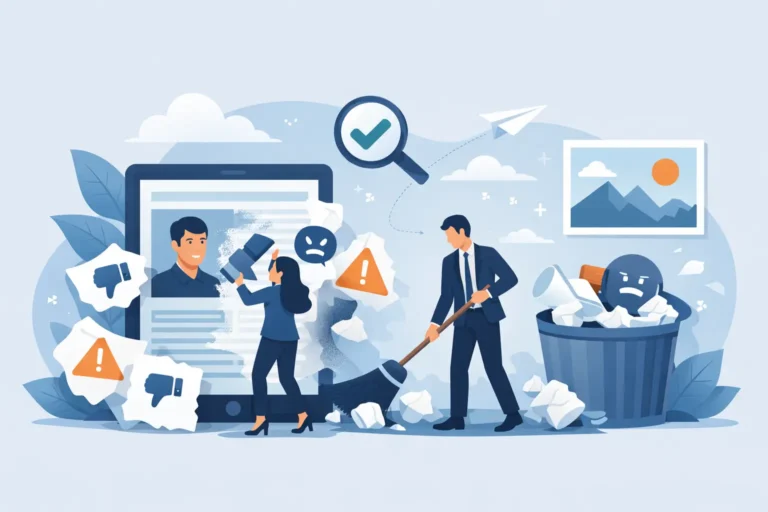

Reputation Management for Celebrities
A single headline can cost a celebrity a film role, a brand deal, or years of carefully built public trust. That is why reputation management for celebrities is not a luxury service or a cosmetic exercise. It is an active protection strategy for income, influence, privacy, and long-term career value.
Public visibility creates opportunity, but it also creates exposure. A celebrity can be damaged by false claims, old controversies resurfacing, invasive commentary, manipulated social content, or a flood of hostile discussion that spreads faster than facts. When the public, media outlets, and commercial partners are all watching at once, hesitation is expensive. The response has to be measured, discreet, and fast.
Why reputation management for celebrities is different
Celebrity reputation work is not the same as standard business reputation support. The stakes are higher, the scrutiny is constant, and the audience is far less forgiving. A local business may have time to recover from a negative review cycle. A public figure may have hours before a story becomes global.
There is also a different emotional dynamic. Celebrities are not just protecting a company name or a product line. They are protecting an identity tied to public perception, earning power, personal relationships, and future opportunities. For actors, musicians, athletes, influencers, and media personalities, reputation directly affects casting, sponsorships, bookings, licensing, and negotiation leverage.
Then there is the issue of amplification. Even minor incidents can escalate when fan communities, gossip channels, social platforms, and search engines all feed one another. A comment taken out of context can turn into a narrative. A private matter can become search-visible for years. That is where specialist handling matters.
What puts celebrity reputations at risk
Most threats do not begin as major scandals. Many start as unmanaged signals that grow because no one took control early enough.
Negative press is the most obvious example, but it is only one part of the problem. Search results can become dominated by outdated stories. Social media mentions can shift from ordinary criticism into coordinated abuse. Forums, comment sections, and video clips can repeat inaccurate claims until they appear credible through sheer volume.
There is also a key difference between criticism and reputational harm. Some public criticism is inevitable and may not require intervention. But when content becomes defamatory, invasive, misleading, or commercially damaging, a strategic response is necessary. The right approach depends on the source, the credibility of the claim, the speed of spread, and whether legal, PR, or digital mitigation is the better first move.
This is where many celebrity teams make mistakes. They either overreact publicly and fuel the story, or they ignore the issue and allow it to harden in search results and public memory.
The real work behind celebrity reputation protection
Strong reputation management is rarely about one dramatic fix. More often, it is a coordinated system built to reduce risk, contain damage, and strengthen positive visibility over time.
Monitoring before a crisis breaks
The most valuable reputation work often happens before the public sees any problem. Continuous monitoring of online mentions, news coverage, social commentary, and search movement helps identify threats early. That early visibility creates options. A story that is addressed at the right moment may never become a broader crisis.
For celebrities, monitoring needs to go beyond obvious channels. It should capture entertainment coverage, industry blogs, fan spaces, social conversation, and emerging search patterns. If a damaging phrase begins attaching itself to a name online, that trend needs attention before it becomes a permanent association.
Strategic response, not public panic
Not every threat should be met with a statement. In some cases, silence is stronger than reaction. In others, a prompt and controlled response is essential. The decision depends on whether the issue is fact-based, malicious, escalating, or likely to affect commercial relationships.
A skilled reputation strategy weighs legal risk, media behavior, search visibility, and audience sentiment at the same time. The goal is not to win every argument in public. The goal is to regain control of the narrative and reduce lasting damage.
Search result management
When producers, journalists, sponsors, and event organizers search a celebrity’s name, what they find shapes decisions quickly. If the first page is filled with hostile articles, scandal-related phrases, or stale negative content, the damage continues long after the original story fades.
Search visibility matters because it influences perception before any direct conversation happens. Reputation management often includes suppressing harmful content where possible, promoting accurate and positive coverage, and strengthening the digital assets that better reflect the client’s current standing, work, and achievements.
This is not instant. Search results shift through strategy, consistency, and technical execution. But over time, a carefully managed digital presence can materially reduce the impact of damaging material.
Positive content with credibility
Celebrity reputation management is not about flooding the internet with empty praise. That approach looks artificial and usually fails. Positive content only works when it is credible, relevant, and aligned with the public figure’s real identity.
The strongest assets are often interviews, professional profiles, charitable involvement, career milestones, awards, partnerships, and thoughtful commentary connected to real achievements. The aim is to reinforce authority and balance public perception with substance, not spin.
When a celebrity needs intervention immediately
Some situations require active crisis handling rather than long-term brand strengthening. False allegations, leaked private material, coordinated harassment, misleading articles, impersonation, and sudden viral backlash can escalate in hours.
In those moments, speed matters, but discipline matters more. The first response should clarify what is true, what is harmful, what is spreading, and what channels are driving exposure. Acting without that assessment can make a temporary issue look like an admission or turn a fringe conversation into mainstream coverage.
A high-touch reputation partner helps create order under pressure. That may involve documenting harmful content, engaging platforms, coordinating digital suppression efforts, advising on public messaging, and building a recovery plan that extends beyond the first news cycle. Immediate protection is only half the job. The reputation also has to be rebuilt in a way that lasts.
Discretion is not optional
For celebrities, privacy and reputation are closely connected. A public mishandling of a private issue can cause more harm than the original event. That is why discretion is central to effective reputation work.
The right support should be confidential, tailored, and controlled. Public figures often have overlapping concerns involving family, business ventures, management teams, and legal advisors. A one-size-fits-all solution is rarely adequate. Strategy has to reflect the client’s profile, industry, exposure level, and existing public narrative.
This is one reason premium reputation services are often preferred by high-visibility clients. They need experienced specialists who can assess risk quickly, manage sensitive details carefully, and act without creating unnecessary visibility around the problem itself.
Long-term reputation management for celebrities
The best time to protect a celebrity’s reputation is before the next problem appears. Ongoing management creates resilience. It reduces the chance that one article, one rumor, or one wave of commentary will define the public record.
That long-term work may include active monitoring, search strategy, content development, threat response planning, and periodic reputation audits. It can also involve identifying vulnerable points in a digital footprint, such as old interviews, unmanaged profiles, misleading autocomplete suggestions, or negative narratives that continue to rank.
There is no universal formula because celebrity risk varies by industry and public image. An athlete may need one kind of protection, while an actor, influencer, or recording artist may need another. Some clients need quiet prevention. Others need visible recovery. The strategy should fit the person, not the package.
At Reputation Shield, that principle matters. High-profile clients need more than generic online reputation help. They need a discreet team that understands urgency, exposure, and the value of getting it right the first time.
The cost of waiting
Many celebrities seek help only after the damage is visible. By then, search results may already be affected, media coverage may be multiplying, and commercial partners may be asking questions. Recovery is still possible, but it is harder, slower, and more expensive than early intervention.
Reputation is one of the few assets that can lose value overnight and take years to restore. Protecting it requires judgment, not noise. The strongest strategy is calm, deliberate, and built around facts, timing, and control.
For public figures, digital reputation is not separate from career management. It is part of career management. And when handled properly, it does more than limit damage. It protects future opportunity before the next headline arrives.