
Personal Online Reputation Management That Works
One negative search result can change a hiring decision, stall an investment conversation, or raise doubts before you ever get a chance to speak for yourself. That is why personal online reputation management is no longer a concern reserved for celebrities and politicians. For executives, founders, professionals, and anyone with public visibility, your digital presence now plays a direct role in trust, opportunity, and control.
A personal reputation issue rarely begins with a full-scale crisis. More often, it starts with a complaint that gains traction, an outdated article that keeps resurfacing, a misleading post that ranks too well, or a comment thread that damages perception by repetition. Search engines do not always reward fairness. They reward relevance, authority, and engagement. If negative or inaccurate content attracts attention, it can remain visible long after the original issue has faded.
What personal online reputation management really involves
Personal online reputation management is the strategic process of shaping how you appear across search results, media coverage, social platforms, review sites, and other public digital channels. That includes identifying risks early, reducing the visibility of harmful content where possible, strengthening positive assets, and building a more accurate public narrative over time.
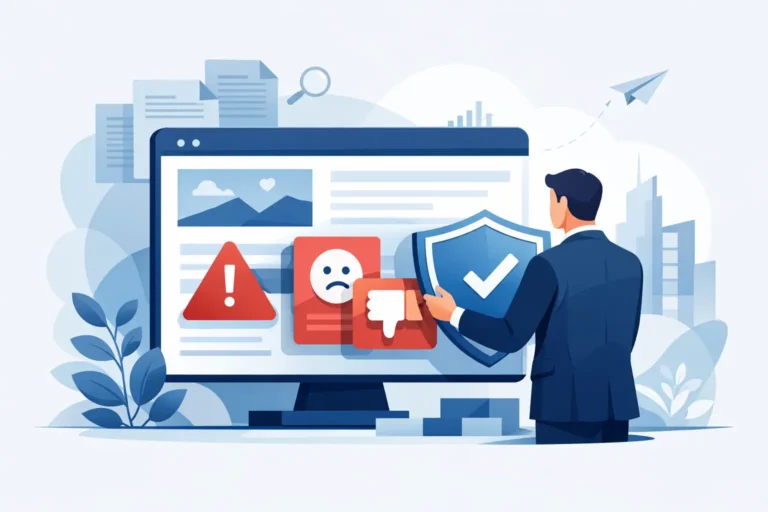
The most effective work is both defensive and proactive. Defensive work focuses on monitoring, response strategy, suppression of negative visibility, and escalation when harmful content crosses legal or platform-policy lines. Proactive work strengthens the assets you want people to find first – professional bios, thought leadership, interviews, profiles, press mentions, and trusted third-party references that support credibility.
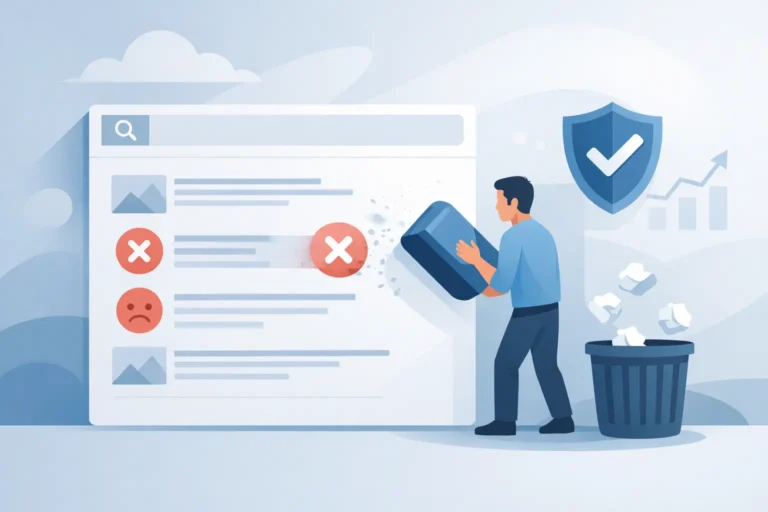
This is where many people make a costly mistake. They assume reputation management is just about deleting bad content. In reality, removal is only one path, and often not the fastest or most realistic one. Some content cannot be removed. Some should not be challenged directly because it may attract more attention. In many cases, a stronger strategy is to build and promote better content that earns visibility above the damaging material.
Why search results shape real-world decisions
Most people do not investigate deeply. They scan page-one results, review a few headlines, glance at social profiles, and form an opinion quickly. That opinion affects whether they return a call, make an offer, approve a partnership, or trust a public statement.
For business owners, this can influence client acquisition and retention. For executives, it can affect board confidence, media scrutiny, and future appointments. For public figures and high-net-worth individuals, the stakes are even higher because online visibility often intersects with personal privacy and security.
The challenge is not only what is true or false. It is what is visible. Even neutral content can become harmful if it is outdated, incomplete, or framed in a way that no longer reflects who you are. Personal online reputation management addresses that gap between reality and search visibility.
The difference between reputation repair and reputation protection
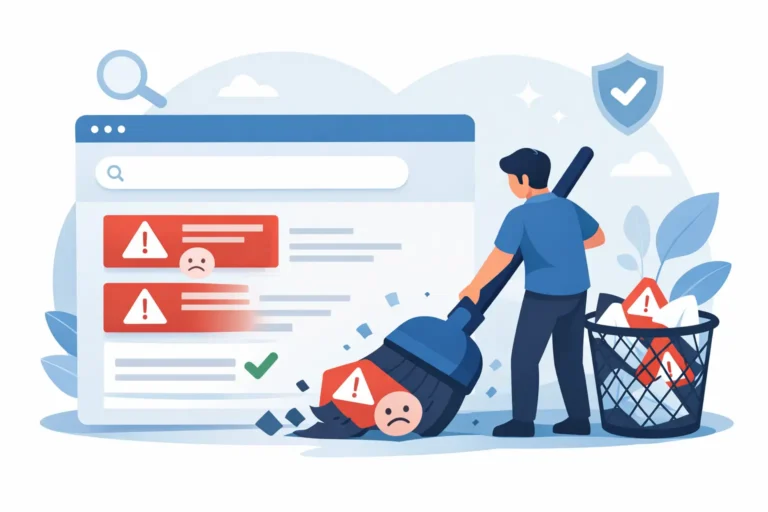
If a damaging article, viral post, or wave of criticism is already affecting your name online, you are dealing with reputation repair. The goal is to contain damage, assess what can be removed or challenged, reduce further spread, and begin rebuilding the digital landscape around your name.
If there is no active crisis but your role, wealth, profile, or industry creates exposure, the priority is reputation protection. This means monitoring mentions, securing your digital footprint, publishing strong positive content in advance, and making sure your search results are not vulnerable to easy disruption.
Both approaches matter, but timing changes the cost and complexity. Repair work is often more urgent and more resource-intensive because the problem is already visible. Protection is more controlled. It gives you room to shape perception before someone else does.
Personal online reputation management for high-visibility individuals
The higher your profile, the less room there is for delay. Public figures, senior executives, and individuals in sensitive industries face a compressed response window when something negative appears online. Journalists may repeat it. Competitors may reference it. Social commentary may distort it. Search engines may reinforce it.
In these cases, reputation work must be discreet, fast, and coordinated. That includes evaluating search rankings, identifying the platforms influencing perception, preparing response language where appropriate, and deciding what should be addressed publicly versus handled behind the scenes.
There is also a privacy dimension. Some people do not want more content tied to their name, even if that content is positive. Others need a stronger professional footprint because an empty search profile creates its own risk. The right strategy depends on your exposure level, your goals, and how much information should reasonably remain public.
What an effective strategy usually includes
Strong reputation management is not built on guesswork. It starts with a clear audit of what appears when someone searches your name, what related terms suggest, which platforms dominate visibility, and where reputational pressure is coming from.
From there, the work usually falls into several tracks. Monitoring is essential because you cannot manage what you do not detect early. Search result analysis matters because not every negative mention has equal impact. Content development helps establish stronger, more authoritative assets. Platform-specific response planning is often needed for reviews, social commentary, forums, and news content. In some cases, legal review or policy-based takedown requests may also be appropriate.
The trade-offs matter. A public rebuttal may satisfy one audience while prolonging the life of a story. A takedown request may work quickly on one platform and fail on another. Publishing positive content can improve long-term visibility, but it does not erase serious allegations overnight. Effective personal online reputation management is measured, not reactive.
Common mistakes that make a bad situation worse
People under pressure often act too publicly and too quickly. They argue in comment sections, threaten action they cannot enforce, post emotional statements, or ask contacts to amplify their side without a coordinated plan. That can create new screenshots, new search results, and a longer trail of controversy.
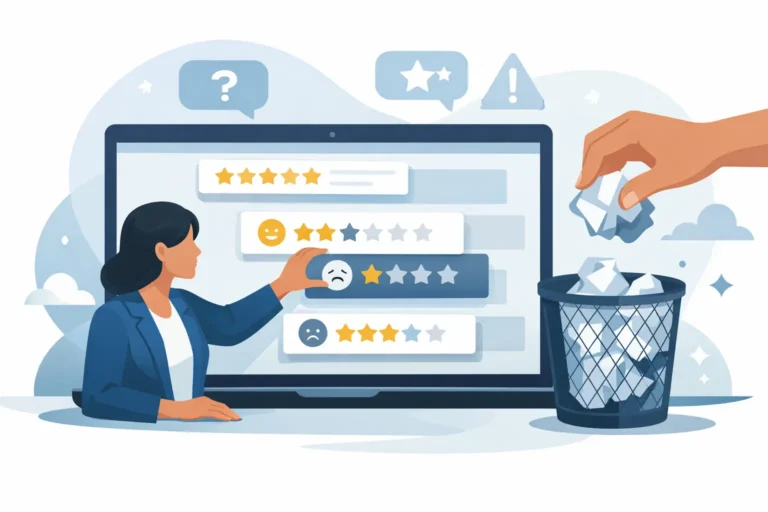
Another common mistake is relying on a one-size-fits-all service. Reputation issues vary widely. A physician facing unfair reviews, a founder dealing with a misleading article, and a public figure targeted by coordinated online attacks do not need the same playbook. The strategy has to match the source of the harm, the level of visibility, and the long-term reputational objective.
There is also the temptation to ignore the issue and hope it fades. Sometimes that works for low-authority content with little engagement. Often, it does not. Harmful content can become entrenched simply because no stronger alternative was developed to outrank it.
When to bring in expert support
If the issue affects income, public trust, employability, investor confidence, or personal safety, expert intervention is usually the smart move. The same applies if your name has broad search visibility, if the content appears on authoritative domains, or if the issue spans multiple platforms at once.
A specialist team brings distance, process, and discretion. They can assess which actions are realistic, which are risky, and where effort will produce the fastest reputational improvement. For clients facing urgent or sensitive exposure, that matters. Reputation Shield works in exactly this space, helping individuals protect digital credibility with tailored, high-touch strategies rather than generic packages.
The value is not only technical execution. It is judgment. Knowing when to respond, when to stay quiet, what to elevate, and what to suppress is what separates real reputation management from digital noise.
Building a digital presence that can withstand scrutiny
The strongest reputations are not built during a crisis. They are built beforehand, through consistency, credibility, and strategic visibility. That might mean improving your professional profiles, securing accurate biographical information across the web, publishing thoughtful commentary connected to your expertise, and making sure your strongest achievements are easy to find.
This does not mean manufacturing an image. It means making your real strengths more visible than outdated, irrelevant, or misleading material. A well-built digital presence gives employers, clients, media contacts, and partners a clearer picture of who you are. It also gives search engines better assets to rank.
Personal online reputation management is ultimately about control. Not total control, because that is not realistic online. But enough control to protect your credibility, reduce unnecessary exposure, and ensure that what people find about you is fair, current, and proportionate.
If your name carries professional or public value, your online reputation should be treated like any other high-value asset – monitored carefully, protected early, and strengthened before pressure forces the issue.