
Brand Reputation Monitoring That Works
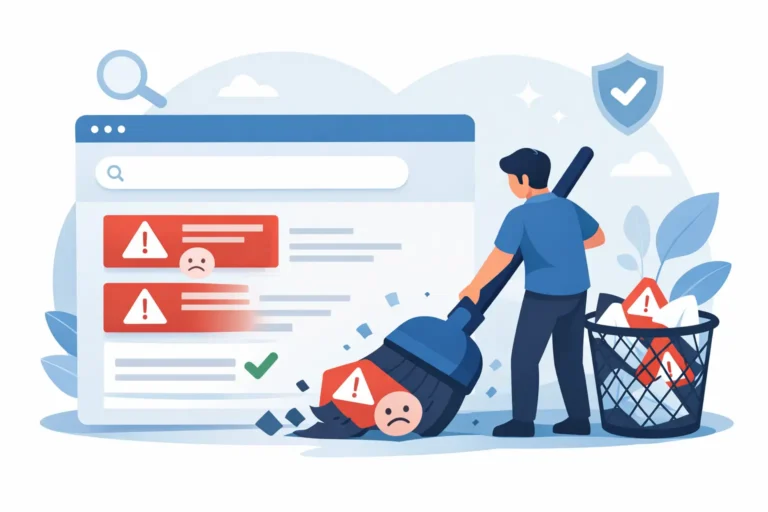
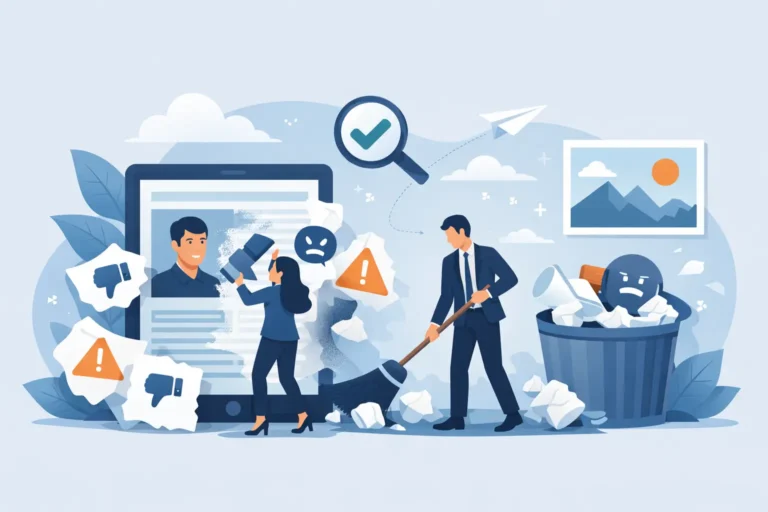
A single review, article, social post, or forum thread can alter how customers, investors, employers, and the media judge you before anyone speaks with you directly. That is why brand reputation monitoring is not a marketing extra. It is a protection measure for revenue, credibility, and control.
For businesses with public exposure, the issue is rarely whether people are talking. They already are. The real question is whether you know what is being said, where it is spreading, and how quickly it could affect decisions that matter. In many cases, reputational damage grows not because the original mention was catastrophic, but because nobody caught it early enough to respond with precision.
What brand reputation monitoring actually means
Brand reputation monitoring is the ongoing process of tracking online mentions, reviews, commentary, search results, media coverage, and other digital signals that shape public perception. It goes beyond counting mentions or watching social media notifications. Effective monitoring looks at context, reach, sentiment, search visibility, and potential impact.
That distinction matters. A critical comment from an anonymous account with no traction is very different from a negative news article ranking on page one of Google. A one-star review can sometimes be managed through proper engagement. A coordinated complaint campaign, hostile Reddit discussion, or resurfaced past incident requires a different level of strategy. Monitoring only becomes valuable when it helps you identify which threats deserve immediate intervention and which ones require a measured response.
For executives, founders, public figures, and brands operating in sensitive sectors, this is even more important. Reputation risk often builds across multiple channels at once. Search engines, review platforms, social media, blogs, YouTube, and niche forums can all influence each other. If you only watch one channel, you are usually seeing the problem too late.
Why brand reputation monitoring matters before a crisis
Most people start paying attention to reputation after something damaging appears online. By then, the cost is higher. Search visibility may already be affected. Stakeholders may have formed opinions. Journalists, competitors, or online critics may be amplifying the issue.
Strong brand reputation monitoring gives you time. Time to verify facts, assess risk, coordinate internal communications, and choose the right response. That window is often the difference between a manageable issue and a prolonged reputation problem.
It also protects against quieter forms of damage that do not look like a public crisis at first. A pattern of negative reviews can lower conversion rates. An old article resurfacing in branded search can undermine trust during sales conversations. Misleading commentary on a forum can influence hiring, partnerships, or investor confidence. These are not always headline events, but they can produce measurable financial and reputational loss.
For high-profile individuals and leadership teams, early monitoring also supports discretion. Not every threat should be handled publicly. In some cases, visibility is the problem. Drawing more attention to a harmful mention can make matters worse. The right approach depends on the source, the audience, and how the content is spreading.
What should be monitored
A serious monitoring program tracks more than social media tags. It should include review sites, search engine results, online news, blog coverage, forums, video platforms, comment sections, and business listings. It should also account for branded search terms, executive names, product names, and common misspellings.
For some organizations, monitoring must go further. Public-facing professionals may need visibility into personal name searches as well as company mentions. Businesses with multiple locations need review tracking at the local level. Public figures often need oversight across mainstream media, gossip channels, fan communities, and rapidly moving social platforms where narratives can shift in hours.
The point is not to monitor everything equally. The point is to monitor the channels that can realistically affect trust, search visibility, customer behavior, and public perception.
The difference between alerts and real monitoring
Many brands assume basic alerts are enough. They are useful, but they are not a complete defense. Alerts can miss important mentions, fail to capture sentiment accurately, or provide no guidance on what to do next.
Real monitoring adds interpretation. It helps answer practical questions. Is this mention credible? Is it gaining traction? Does it appear in search results? Could it influence customers, donors, voters, investors, or employers? Is a public response advisable, or would private intervention be more effective?
That is where human expertise matters. Automated tools are good at collection and speed. They are less reliable when the situation involves nuance, legal sensitivity, media exposure, or coordinated attacks. A false allegation, a defamatory post, or a misleading review pattern cannot be judged by a dashboard alone.
How a strategic response protects your reputation
Monitoring without action creates awareness, not protection. Once a risk is identified, the response should be proportionate and carefully chosen.
Sometimes the right step is direct engagement. A dissatisfied customer may respond well to prompt, professional outreach. In other cases, engagement gives harmful content more oxygen. If a false claim is posted in a forum with limited visibility, a public argument may drive additional attention and search indexing.
There are also situations where the issue is not the original content but its visibility. A negative article that ranks prominently in search can keep causing damage long after public interest fades. In those cases, mitigation may require a broader strategy that includes suppression through stronger positive content, authority building, review improvement, profile optimization, and search result management.
This is why one-size-fits-all reputation advice often fails. The right response depends on the source, the legal and factual position, the search environment, and the profile of the person or business involved.
What effective brand reputation monitoring looks like in practice
The strongest approach combines technology with expert oversight. Technology helps capture mentions quickly across platforms. Expert oversight turns raw data into decisions.
That usually means establishing a baseline first. What already appears in branded search? Which review platforms matter most? What negative or misleading content is live now? Which executives or spokespeople are most exposed? Without that baseline, it is difficult to separate routine background noise from genuine risk.
From there, monitoring should be tied to response thresholds. Not every mention requires the same level of attention. Some need documentation only. Some need customer service follow-up. Some should be escalated immediately to reputation specialists, legal counsel, or communications leadership.
It should also include reporting that is useful rather than bloated. Senior decision-makers do not need pages of unfiltered notifications. They need clear visibility into what changed, what matters, and what action is recommended.
For clients facing elevated sensitivity, discretion is part of the service. Monitoring should not create additional exposure. It should reduce uncertainty while keeping handling controlled and confidential.
Common mistakes that make reputation risk worse
The first mistake is reacting emotionally. Fast action is useful. Reactive action is not always wise. Public arguments, defensive replies, and threats made without strategy often intensify the issue.
The second mistake is treating every negative mention as equally dangerous. Some criticism is ordinary and manageable. Some is malicious. Some is legally risky. If you do not distinguish between them, you either underreact to serious threats or overreact to routine dissatisfaction.
The third mistake is relying on reputation repair only after search results are already damaged. Once harmful content is established, recovery can take time. Monitoring gives you a chance to intervene sooner and strengthen your digital presence before a problem defines it.
Another common issue is separating reputation from broader business operations. Reviews affect sales. Search perception affects hiring. Executive visibility affects partnerships and investor confidence. Reputation is not isolated from performance. It is part of how the market evaluates you.
When to bring in specialists
If you are dealing with a false narrative, negative press, coordinated reviews, high-ranking harmful content, or exposure involving a public-facing leader, specialist support is usually the safer route. The same applies if privacy, discretion, or international visibility is a factor.
A professional reputation partner should do more than monitor mentions. They should assess risk, advise on response, manage visibility issues, and help build a stronger long-term digital profile. At the higher end of reputation work, speed matters, but judgment matters more.
Reputation Shield works with clients who cannot afford guesswork, including businesses, executives, and high-visibility individuals who need a tailored response rather than a generic platform subscription. That level of support is especially valuable when the stakes include income, public trust, career progression, or personal security.
A stronger reputation starts with awareness
Brand reputation monitoring gives you something every exposed brand needs – early visibility into risk and more control over what happens next. It will not eliminate criticism, and it cannot prevent every hostile mention. What it can do is stop avoidable surprises, improve response quality, and help ensure that one unmanaged issue does not define the story people find about you online.
If your name, company, or leadership team carries real public exposure, monitoring should be treated as part of your protection strategy, not an afterthought. The brands that hold trust over time are rarely the ones that avoid every challenge. They are the ones that see issues early, respond intelligently, and protect their credibility before damage spreads.